
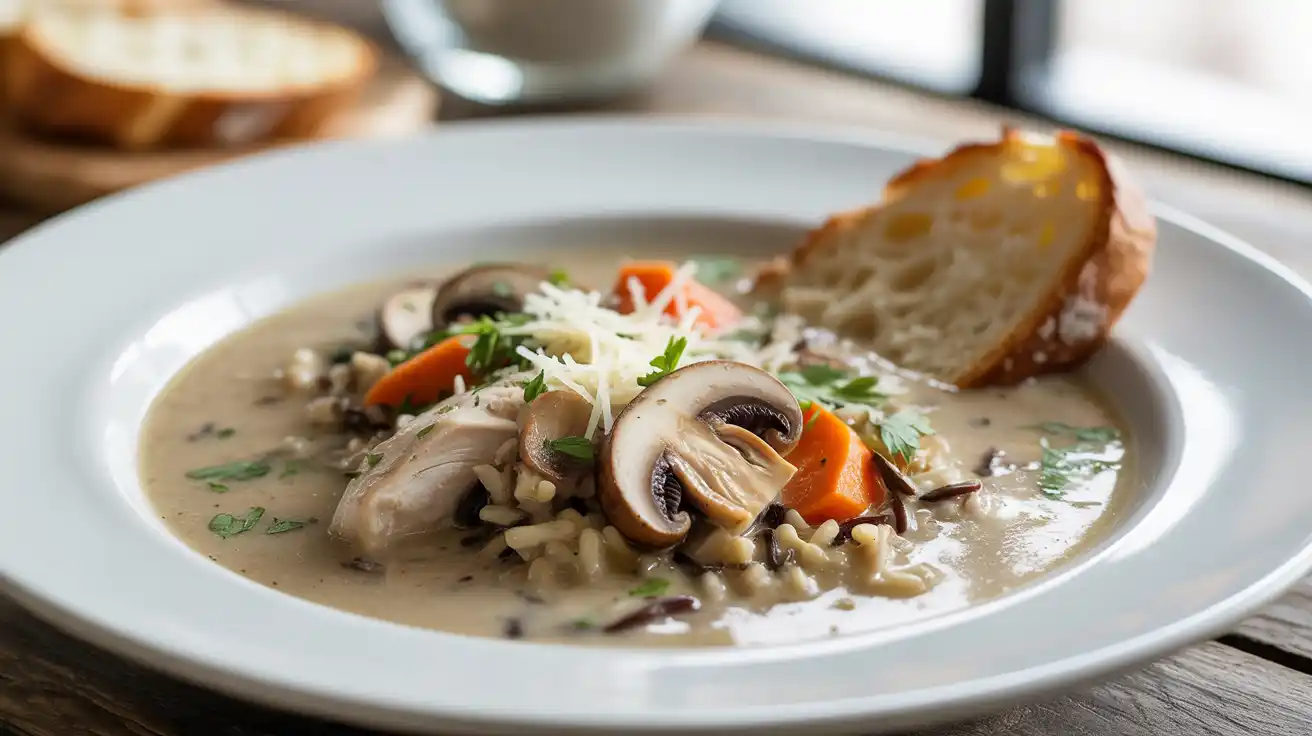
Let’s be honest sometimes, life calls for soup.
Maybe it’s the flu sneaking in during a rainy week, or the fridge is full of “almost” wilted veggies and no plan. Or maybe you’re just craving that warm, quietly triumphant feeling only a rich broth can deliver. Whatever the reason, soup has a way of showing up right when we need it no fanfare, just comfort.
This guide is for everyone who’s ever stood at the stove, ladle in hand, wondering: “What kind of soup do I really need today?”
Because soup isn’t just one thing. It’s a mood, a medicine, a meal and sometimes all three at once.
In this deep-dive, we’ll walk through four powerful types of soup, each matched to a real-world craving or need:
- Healing & Sickness Soups for when your body begs for turmeric, ginger, and broth
- Hearty & Comfort Soups that feel like edible hugs (hello, beef and barley)
- Global & Flavorful Soups with spices from Thai curry to lemongrass
- Mushroom & Savory Soups for cozy vegetarians and umami lovers
We’ll also break down soup storage hacks, flavor boosters, lazy-day tricks, and even answer those oddly specific questions like “Can you freeze mushroom soup without ruining it?”
Think of this not as a recipe dump but as your emotional and edible soup compass. A way to navigate flavor, function, and feeling with one bowl at a time.
Healing & Sickness Soups: Broths That Actually Feel Like Medicine
Some days, your body doesn’t ask for food it pleads for it.
Your throat’s scratchy, your appetite’s gone, and suddenly every commercial for canned chicken soup feels like a personal attack. This is when healing soups step in not just to fill your stomach, but to gently coax you back to life.
These aren’t miracle cures, but they are emotional triage: warm, hydrating, often full of garlic, lemon, ginger, turmeric ingredients with generations of healing lore behind them.
Why Healing Soups Work (and When to Make Them)
Healing soups are built on broth. Not just any broth, but the kind that simmers long enough to pull minerals from bones or coax sweetness from onions. Add immune-boosting herbs (like thyme or parsley), anti-inflammatory roots (ginger, turmeric), and digestive-friendly ingredients (like rice, carrots, or zucchini), and you’ve got a bowl that feels more like care than cuisine.
Make these when:
- You’re under the weather (cold, flu, stomach bug)
- You’re cooking for someone sick or recovering
- You want something light, restorative, and easy to digest
- You need a no-pasta, no-tomato, no-dairy option
3 Healing Soup Recipes to Try First
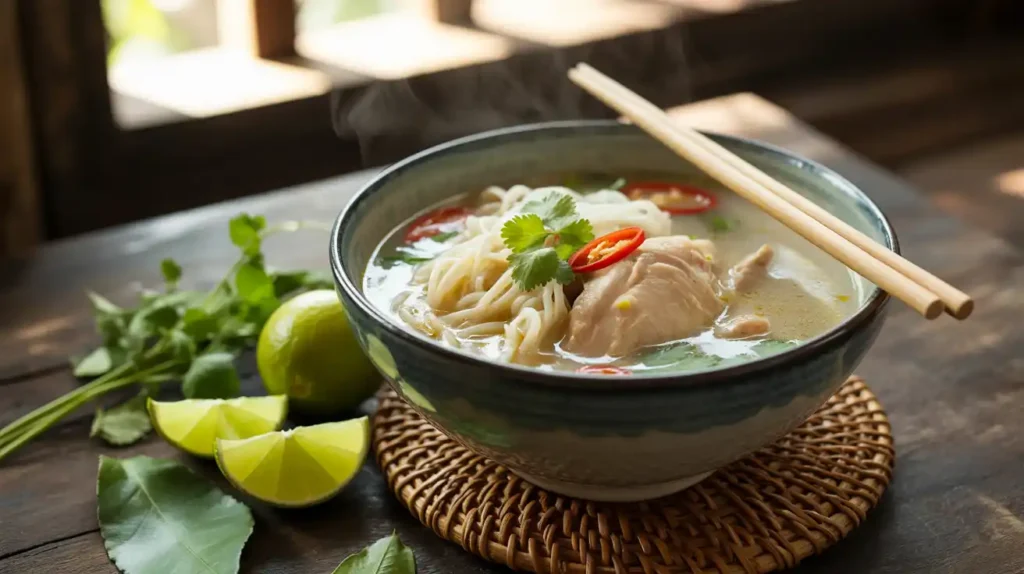
- Classic Italian Penicillin Soup
A chicken broth base with garlic, fresh parsley, lemon juice, and no pasta just tender veggies and shredded chicken. Think chicken noodle’s wiser, cleaner cousin. - Lemon Ginger Chicken Rice Soup
Packed with flu-fighting ginger, lemon for vitamin C, and soft rice to settle the stomach. Feels like someone rubbing your back with a warm blanket. - Turmeric Ginger Healing Soup (Crockpot Version)
Toss everything in the slow cooker turmeric, ginger, garlic, coconut milk, chicken, carrots and let it heal while you nap. Bonus: freezes beautifully.
H3: What’s the Best Soup for Morning Sickness or Stomach Bugs?
Look for soups that are:
- Broth-based (not creamy)
- Lightly seasoned (avoid too much spice)
- Low-acid (skip tomato)
- Carb-comforting (rice, potatoes, noodles)
Try this combo: Veggie broth + carrots + zucchini + a few slices of fresh ginger + a touch of salt. Simmer gently and sip like tea.
Hearty & Comfort Soups: When You Want Dinner to Hug You Back
Some soups whisper. These ones wrap you in a blanket and won’t let go.
Hearty and comfort soups are built for days when salad just won’t cut it. When the weather’s unforgiving, when you’ve had a long day, or when you simply want to cook something that tastes like home, this is where you go. We’re talking rich broths, chunky textures, slow-cooked beef, tender barley, soft potatoes everything your inner child and outer adult agree on.
Why We Crave Hearty Soups
Let’s be honest: we don’t always eat because we’re hungry sometimes we eat to feel safe. Hearty soups do more than satisfy; they reassure. These soups simmer for hours, fill your kitchen with the smell of something dependable, and offer bite after bite of warm, grounding flavor.
They’re especially great when:
- You need a one-pot meal that feeds everyone
- You’re meal-prepping (they freeze like a dream)
- You’ve got leftover beef, barley, or root veggies
- You want that “stew-but-with-more-broth” vibe
3 Comfort Soup Recipes to Bookmark
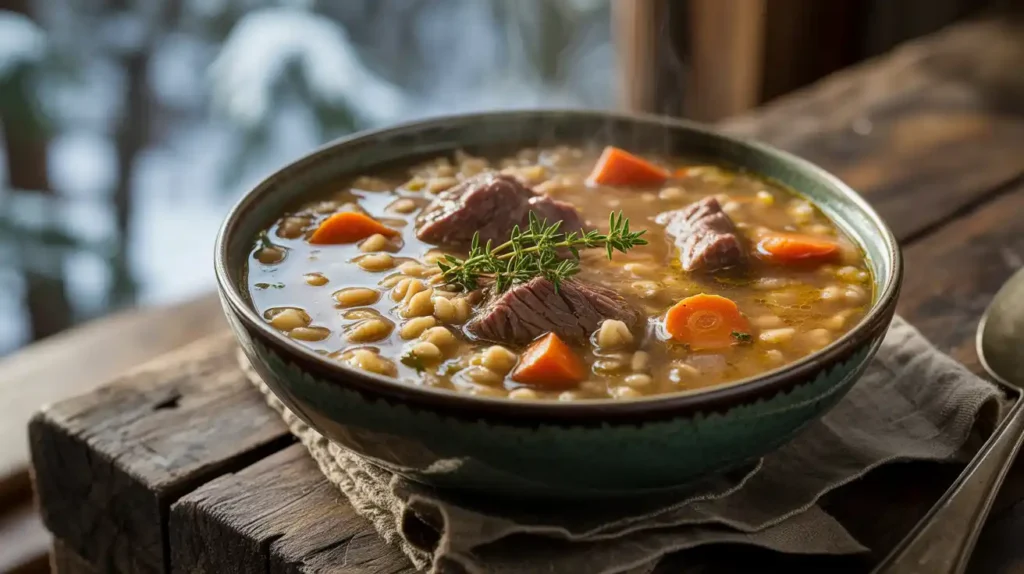
- Slow Cooker Beef Barley Soup
Let it simmer low and slow with chunks of beef, carrots, celery, and chewy barley grains. Feels like a snow day in a bowl. - Creamy Beef & Barley Soup with Mushrooms
A twist on the classic: cream (or coconut milk for dairy-free), browned mushrooms, fresh thyme, and just enough barley to soak up the richness. - Hamburger and Barley Soup
Ground beef meets the deep flavor of barley in this ultra-affordable weeknight hero. Bonus: Kids love it. Adults secretly do too.
A Few Pro Tips:
- Use leftover pot roast for extra depth.
- Add a spoonful of tomato paste early in the sauté for richness (unless tomato-free).
- Stir in baby spinach at the end for a green boost without changing the flavor.
Global & Flavorful Soups: World Travel in a Bowl
Ever notice how soup is a global love language?
Every culture has its version of a “just what you need” soup spicy, tangy, creamy, or herbal. From Thai coconut broths to Indian-spiced chicken to Latin citrusy stews, these soups wake up your senses and offer something comfort soups rarely do: adventure.
Global soups aren’t just meals. They’re invitations to travel, to explore, to experiment with flavor without needing a passport.
What Makes a Soup “Global”?
Global soups usually feature:
- Bold aromatics: ginger, lemongrass, garlic, chili, curry paste
- Unfamiliar-yet-friendly bases: coconut milk, fish sauce, miso, turmeric broth
- Balancing acts: spicy meets sour, creamy meets acidic, sweet meets salty
They’re perfect when:
- You’re tired of the same old chicken noodle vibe
- You’re cooking for flavor-chasers or dinner guests
- You want something that feels lighter but still satisfying
- You’ve got leftover rice, noodles, or a jar of curry paste begging to be used
3 Global Soups to Start With
- Easy Thai Chicken Coconut Soup (Tom Kha Gai Inspired)
Light, creamy, tangy. Coconut milk, chicken, ginger, lime juice, and fresh herbs — it’s everything at once, in the best way. - Lemon Ginger Turmeric Chicken & Rice Soup
Warm and bright, this bowl bridges global flair and homey comfort. It’s also a favorite among immune-boosting recipe fans. - Spicy Curry Chicken Soup with Vegetables
A broth loaded with curry spices, spinach, chickpeas, and sweet potato. Vegan or chicken optional either way, it’s a spoonful of warmth.
Quick Swaps to “Globalize” Any Soup:
- Add coconut milk to creamy mushroom soup for Thai vibes.
- Stir in miso paste to basic veggie broth for umami depth.
- Finish soups with lime juice + fresh herbs to brighten flavor.
Mushroom & Savory Soups: Deep Flavor, Zero Fuss
There’s something kind of magical about mushroom soup.
Not flashy. Not trendy. But deeply comforting and honestly? Weirdly elegant. Mushrooms bring an earthy, almost meaty richness that hits the spot whether you’re vegetarian or just after that savory umami kick. Plus, they pair beautifully with everything from garlic and cream to white wine and herbs.
If hearty soups are about weight, mushroom soups are about depth.
Why Mushroom Soup Deserves More Hype
Too often overlooked in favor of chicken or beef, mushroom-based soups are a quiet powerhouse. They can be creamy or brothy, rustic or refined. And with the right ingredients, they transform from “side dish” to “main event” especially for meatless eaters.
Make these when:
- You want something cozy but not too heavy
- You’re serving a vegetarian crowd
- You’re craving bold flavor with minimal effort
- You have mushrooms on the edge of “use me now”
3 Must-Try Mushroom Soups
- Creamy Homemade Mushroom Soup
Think restaurant quality, but weeknight-easy. Sautéed mushrooms, a splash of cream (or plant milk), garlic, and thyme. Serve with crusty bread always. - Stuffed Mushroom Soup
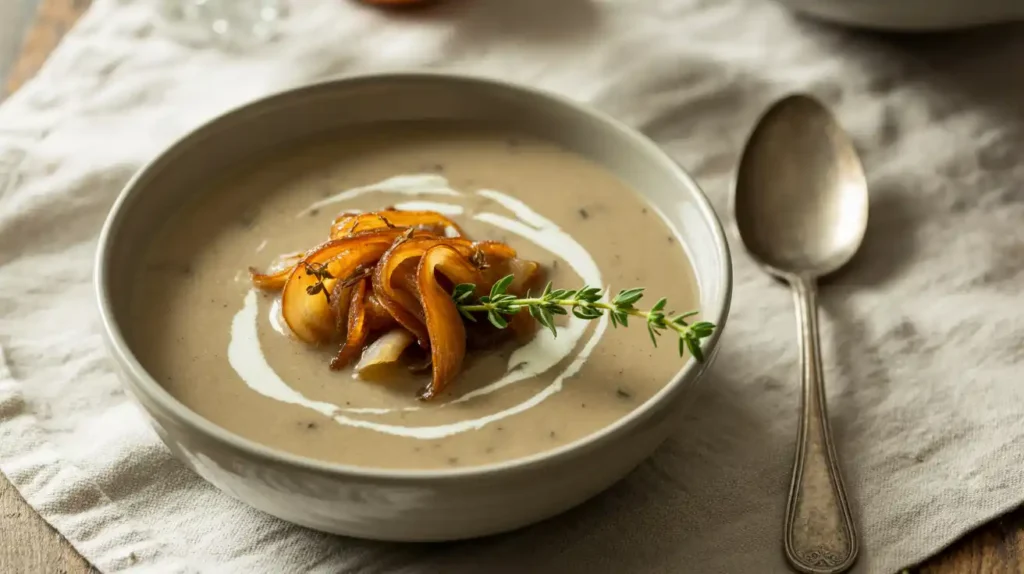
All the flavor of a stuffed mushroom garlic, herbs, cheese turned into a cozy bowl. It’s a conversation starter and a freezer win. - Savory Mushroom Soup with Caramelized Onions & White Wine
Fancy without trying too hard. Rich, slightly sweet from the onions, brightened by the wine. Perfect for date night or solo self-care evenings.
Flavor-Boosting Add-Ins:
- A spoon of miso paste for deep umami
- Fresh dill or thyme to lift the earthiness
- Shaved parmesan or toasted nuts on top for texture
How to Store, Freeze, and Reheat Any Soup (Without Ruining It)
You’ve made a big pot of soup maybe even on purpose. Now what?
Soup is the ultimate make-ahead food, but here’s the thing: not all soups freeze or reheat equally. Creamy ones can separate. Noodle soups can go mushy. And if you’ve ever reheated broth only to find it lost all its flavor, you know the struggle is real.
Let’s fix that.
Best Practices for Storing Soup in the Fridge
- Let it cool first: Don’t put hot soup directly in the fridge it can affect nearby foods and create condensation.
- Use airtight containers: Glass jars or BPA-free plastic work great. Fill almost to the top, but leave a little room for expansion.
- Label it: Especially if you’re storing multiple types. Add the date most soups last 4–5 days in the fridge.
⚠️ Avoid storing soup with pasta or rice already in it. These starches suck up broth and go soggy. Store them separately if possible.
How to Freeze Soup Like a Pro
- Avoid freezing dairy-based soups: Creams can split when thawed. If you must, freeze the base and add cream after reheating.
- Portion it out: Use freezer-safe containers or silicone trays to freeze single servings.
- Leave headroom: Soup expands when frozen. Don’t fill to the brim.
- Label & rotate: Frozen soup is good for 2–3 months. Keep older batches in front.
Freezer MVPs:
- Healing soups (ginger, turmeric, broth-based)
- Barley and bean soups
- Mushroom soups (brothy or blended, but not cream-heavy)
Soups that struggle in the freezer:
- Dairy-heavy (cream of anything)
- Noodle-heavy (unless you freeze them separately)
- Potato-based (can go grainy)
Reheating Without Ruining Flavor
- Stovetop wins: Gentle heat = better texture retention. Reheat slowly, stirring occasionally.
- Microwave trick: Cover loosely, stir halfway, and reheat in 1-minute bursts.
- Add a splash: Always reheat with a bit of water or broth to revive texture.
- Taste-test: Cold soup can dull flavors reheat, then adjust salt, acid, or herbs.
Soup Hacks & Tips from Real Cooks
Soup might be simple, but great soup? That takes a few clever moves.
If you’ve ever wondered why your homemade soup tastes flat compared to your favorite café’s, or why your leftovers seem to lose their magic overnight this section is for you. These aren’t fancy-chef tips. These are the shortcuts, tricks, and flavor boosts real home cooks swear by.
How to Instantly Boost Soup Flavor
Even the most basic soup can sing with a few tweaks:
- Deglaze early: After sautéing onions/garlic, splash in wine or vinegar before adding broth. It lifts all the flavor bits stuck to the pan.
- Use acid at the end: A squeeze of lemon or dash of vinegar brightens dull soup. Especially great for lentil, mushroom, or creamy soups.
- Layer your seasoning: Salt isn’t a finish it’s a process. Taste and adjust at every stage, especially after adding liquid.
Lazy-Day Soup Shortcuts (That Don’t Feel Lazy)
- Use frozen chopped onions and mirepoix no tears, no guilt.
- Stock paste > boxed broth it’s concentrated, lasts longer, and lets you control salt.
- Toss in leftovers roasted veggies, grains, or rotisserie chicken can transform basic broth into a full meal.
Best Garnishes for Big Impact
Sometimes it’s the little things on top that make soup feel finished:
- Crunch: Croutons, toasted seeds, crispy shallots
- Creamy: A swirl of yogurt, coconut milk, or crème fraîche
- Fresh: Herbs (parsley, dill, chives), lemon zest, or thin-sliced scallions
- Savory punch: Grated parmesan, miso drizzle, chili oil, or pesto
Want it fancier? Serve soup with a side of toasted garlic bread, or pour it into pre-warmed bowls. Your guests will swear you trained in Paris.
Frequently Asked Questions About Soup
What’s the best soup to eat when you’re sick?
Soups with a clear, mineral-rich broth, anti-inflammatory ingredients (ginger, turmeric, garlic), and easy-to-digest carbs (rice, potato) are best. Try lemon-ginger chicken soup or turmeric veggie broth.
Can you freeze mushroom soup?
Yes but only if it’s not cream-based. Creamy mushroom soups tend to split or become grainy after freezing. If you must freeze, do it before adding cream and stir it in after reheating.
How do you store soup with noodles or rice?
Store the broth separately from the noodles or rice whenever possible. Starches absorb liquid and become mushy if left in soup too long. Combine only when reheating.
Is there a soup with no tomato, no pasta, and no meat?
Absolutely. A healing vegetable broth with carrots, zucchini, ginger, turmeric, and rice checks all those boxes. Mushroom-based soups are also excellent meatless, tomato-free, and pasta-free options.
What soups are best for meal prep and freezing?
- Beef barley soup
- Healing chicken broths
- Spicy curry soups (without cream)
- Vegetarian lentil or mushroom soups
Avoid freezing soups with high cream content or delicate greens.
Soup Isn’t Just a Meal It’s a Mood
At the end of the day, soup isn’t about perfection. It’s about presence.
It’s what we reach for when we’re cold, tired, under the weather or just craving something that feels like it remembers us. Whether it’s a healing broth, a creamy mushroom masterpiece, or a slow-simmered beef stew, soup meets us where we are no judgment, no stress, just comfort in a bowl.
This guide isn’t meant to be the last word on soup. It’s more like your kitchen compass. A starting point for wherever you are: meal-prepping for a tough week, caring for someone you love, or simply chasing that “mmm” moment that only soup delivers.
So what’s next?
Pick a soup. Try one. Tweak it. Freeze some. Garnish it with something ridiculous. Serve it to someone who needs a little care maybe even you.
And if you find a favorite? Make it again next week. Because honestly, that’s the beauty of soup: it always welcomes you back.