
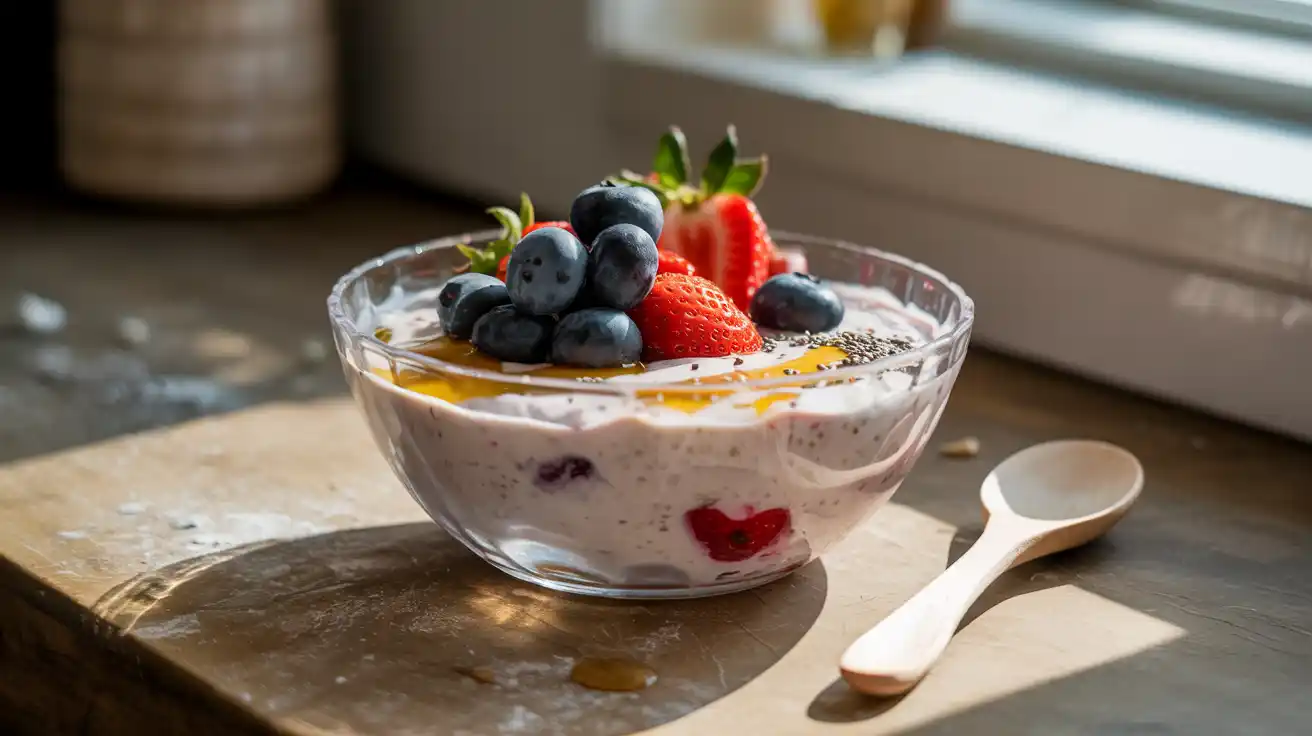
Homemade protein yogurt is more than just a trendy health food it’s a smart way to take control of your nutrition, ingredients, and budget. If you’ve ever stood in front of a fridge full of “high-protein” yogurts wondering which one’s actually worth it, you’re not alone. Some are packed with sugar, others taste off, and most cost more than they should. Making your own? Easier than it sounds and way more satisfying.
It’s not just possible. It’s surprisingly easy. And once you’ve nailed your go-to combo, you might never go back to store-bought tubs again.
Why Make Your Own Protein Yogurt?
Three reasons: control, customization, and cost.
- Control over your ingredients: no weird additives, no hidden sugars, no sketchy thickeners.
- Customization for your needs: vegan? lactose-free? Want 25 grams of protein per serving? You’re in charge.
- Cost savings that add up over time. One tub of Greek yogurt, one scoop of protein powder, and you’ve got a protein-packed snack for a fraction of the price.
And let’s not overlook the satisfaction of saying, “Yeah, I made this myself.” It hits different.
How to Make Homemade Protein Yogurt
Option 1: Quick Mix (Greek Yogurt + Protein Powder)
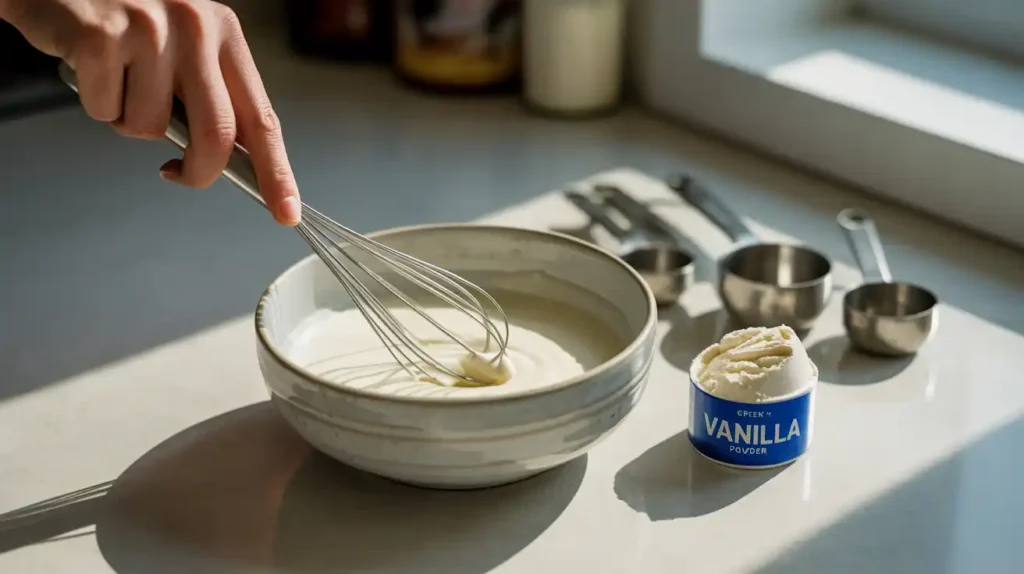
This is the fast lane. Just grab a plain Greek yogurt (unsweetened), add a scoop of your favorite protein powder (whey, casein, or plant-based), and stir until smooth. Let it chill in the fridge for 10–15 minutes so the texture sets.
Pro tip: If your protein powder has a strong taste, add a squeeze of lemon juice or a splash of vanilla extract to round it out.
Option 2: DIY Fermented Yogurt (Milk + Starter + Protein)
Want to make yogurt from scratch? Here’s how:
- Warm up your milk (dairy or fortified plant-based).
- Add a yogurt starter or a capsule of live probiotics.
- After cooling slightly, stir in your protein powder this helps preserve the structure.
- Ferment at 105–115°F for 8–12 hours (use a yogurt maker or Instant Pot).
- Strain it for a thick, Greek-style consistency. Chill before serving.
Option 3: Vegan Version (Plant Milk + Thickener + Protein)
Plant-based? No problem. Use soy, coconut, or oat milk with a natural thickener like agar, tapioca starch, or xanthan gum. Add your protein powder after fermentation to keep the texture smooth.
Tip: Some plant milks work better than others soy tends to hold structure best.
How Does Homemade Compare to Store-Bought?
Nutritionally, it’s often better. A cup of homemade protein yogurt can pack 20–25g of protein with zero added sugar if you keep it simple. You also avoid fillers, stabilizers, and preservatives.
Taste-wise, it depends on your mix. Some protein powders play well with yogurt; others don’t. Start with half a scoop to test. Add cinnamon, nut butter, or berries for flavor without sugar overload.
Texture? If you like it thick, try straining it or adding chia seeds for extra body.
FAQ
Can I use any protein powder in homemade yogurt?
Not quite. Whey blends in smoothly but can thin out if overheated. Plant proteins (like pea or soy) thicken more but sometimes add a grainy texture. Your best bet? Test a small batch first, adjust based on the result and go from there.