
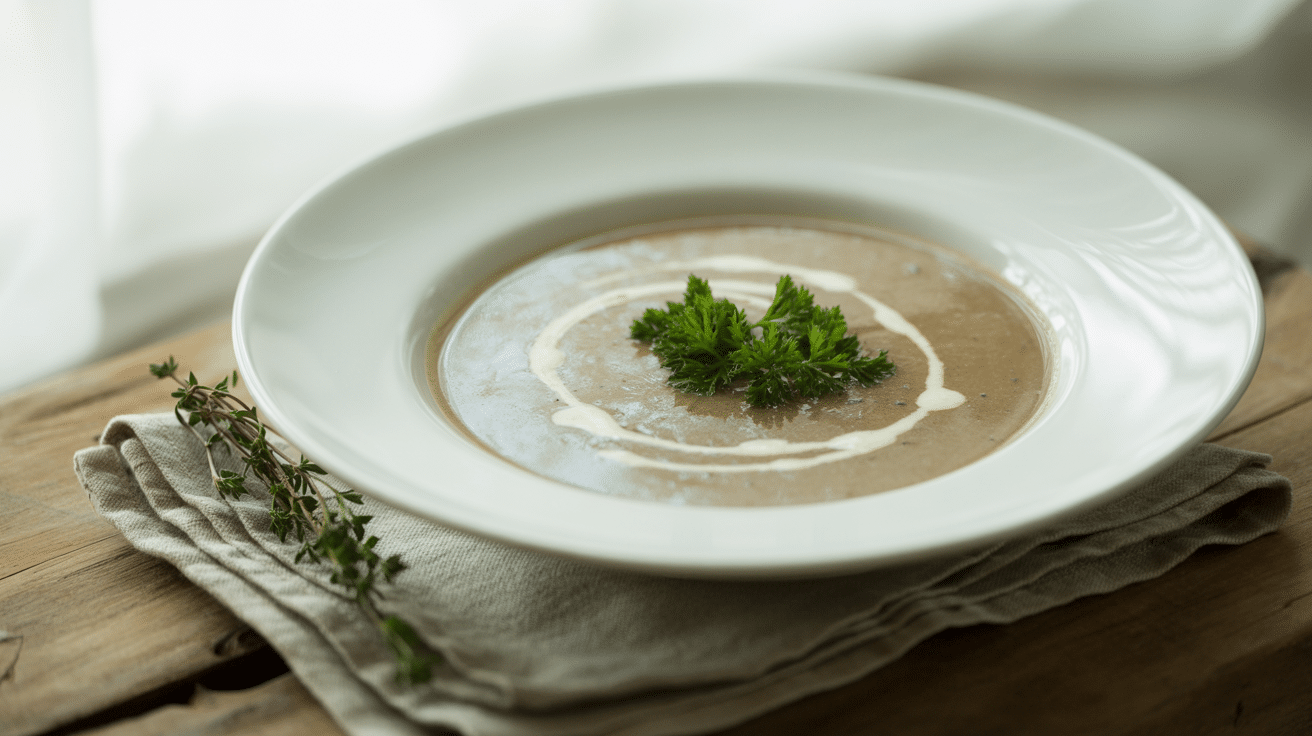
There’s an undeniable comfort in a warm bowl of soup, especially when it’s crafted from scratch with wholesome ingredients. This article delves into the art of creating exceptional mushroom soups, exploring the nuances of savory soups, and celebrating the joys of homemade soups. We’ll guide you through a comprehensive recipe, offering detailed instructions, insightful tips, and serving suggestions to elevate your culinary experience. This is more than just a recipe; it’s a journey into the heart of comforting, flavorful, and nourishing food.
Ingredients List
Creating a truly exceptional mushroom soup begins with selecting high-quality ingredients. The freshness and variety of mushrooms, the richness of the broth, and the careful balance of seasonings all contribute to the final flavor profile. This recipe focuses on a creamy, savory mushroom soup that is both comforting and sophisticated.
Detailed description of ingredients and exact quantities
- Mushrooms (2 lbs): A mix of cremini, shiitake, and oyster mushrooms offers a complex flavor profile. Cremini provides a hearty earthiness, shiitake adds a smoky depth, and oyster mushrooms contribute a delicate sweetness. Ensure the mushrooms are clean and free of excess dirt.
- Vegetable Broth (8 cups): Use a high-quality vegetable broth as the base. Homemade is always preferable, but a good store-bought option will work. Low-sodium is recommended to control the salt level.
- Yellow Onion (1 large): Diced finely, the onion provides a foundational sweetness and aromatic base for the soup.
- Garlic (4 cloves): Minced garlic adds a pungent and savory note. Adjust the quantity to your preference.
- Dry Sherry (1/2 cup): Sherry adds a nutty, complex flavor that complements the mushrooms beautifully. If you don’t have sherry, dry white wine can be substituted.
- Heavy Cream (1 cup): Heavy cream contributes to the soup’s richness and velvety texture. For a lighter option, see the alternative ingredients below.
- Butter (4 tbsp): Butter adds richness and helps to sauté the vegetables and mushrooms. Unsalted butter is preferred to control the salt level.
- Olive Oil (2 tbsp): Olive oil helps to prevent the butter from burning and adds a subtle fruity note.
- Fresh Thyme (2 sprigs): Thyme adds an earthy, herbaceous aroma. Remove the sprigs before serving.
- Bay Leaf (1): A bay leaf infuses the soup with a subtle, aromatic depth. Remove before serving.
- Salt and Black Pepper: To taste. Start with a small amount and adjust as needed.
- Fresh Parsley (for garnish): Chopped fresh parsley adds a pop of color and freshness.
Nutritional benefits of key ingredients
Mushroom soups are not only delicious but also packed with nutrients. Mushrooms themselves are a great source of B vitamins, selenium, and antioxidants. They are also low in calories and fat.
- Mushrooms: Rich in B vitamins (riboflavin, niacin, pantothenic acid), selenium (an antioxidant), and copper. They also contain beta-glucans, which may boost the immune system.
- Vegetable Broth: Provides hydration and electrolytes. Homemade vegetable broth is particularly rich in vitamins and minerals extracted from the vegetables.
- Onion and Garlic: Contain antioxidants and compounds that may have anti-inflammatory properties.
- Thyme: Contains thymol, an antiseptic and antifungal compound.
Healthy or alternative ingredient options
This recipe can be easily adapted to suit different dietary needs and preferences.
- For a vegan option: Substitute the butter with olive oil or vegan butter. Replace the heavy cream with coconut cream or cashew cream. Ensure the vegetable broth is vegan-friendly.
- For a lighter option: Replace the heavy cream with half-and-half or Greek yogurt. Reduce the amount of butter or use olive oil instead.
- For a gluten-free option: Ensure the vegetable broth is gluten-free. The recipe is naturally gluten-free otherwise.
- Adding protein: Consider adding cooked lentils or white beans for added protein and fiber.
- Different Mushrooms: Experiment with different types of mushrooms, such as porcini or chanterelles, for a unique flavor profile. Dried mushrooms can also be used; rehydrate them in hot water before adding them to the soup.
Preparation Instructions
The key to a successful mushroom soup lies in the careful preparation and cooking process. Sautéing the vegetables properly, building layers of flavor, and simmering the soup gently are all crucial steps.
Pre-preparation guidelines
- Clean the mushrooms: Gently wipe the mushrooms with a damp cloth or brush to remove any dirt. Avoid soaking them in water, as they will absorb it and become soggy. Trim the ends of the stems.
- Chop the vegetables: Dice the onion finely and mince the garlic. Chop the mushrooms into bite-sized pieces.
- Prepare the herbs: Wash and dry the thyme sprigs and bay leaf. Chop the fresh parsley for garnish.
- Measure out the ingredients: Having all the ingredients measured and ready to go will make the cooking process smoother and more efficient.
Step-by-step cooking process
- Sauté the vegetables: In a large pot or Dutch oven, melt the butter and olive oil over medium heat. Add the onion and cook until softened, about 5-7 minutes. Add the garlic and cook for another minute until fragrant.
- Cook the mushrooms: Add the mushrooms to the pot and cook until they release their moisture and begin to brown, about 8-10 minutes. Stir occasionally to prevent sticking.
- Deglaze the pot: Pour in the dry sherry (or white wine) and scrape the bottom of the pot to loosen any browned bits. This will add depth of flavor to the soup.
- Add the broth and herbs: Pour in the vegetable broth, add the thyme sprigs and bay leaf. Bring to a simmer.
- Simmer the soup: Reduce the heat to low and simmer for at least 20 minutes, or up to an hour, to allow the flavors to meld. The longer it simmers, the richer the flavor will be.
- Remove the herbs: Remove the thyme sprigs and bay leaf from the soup.
- Blend the soup: Using an immersion blender, blend the soup until smooth. Alternatively, you can carefully transfer the soup to a regular blender in batches and blend until smooth. Be cautious when blending hot liquids.
- Add the cream: Stir in the heavy cream and heat through. Do not boil.
- Season to taste: Season with salt and black pepper to taste. Start with a small amount and adjust as needed.
- Garnish and serve: Ladle the soup into bowls and garnish with fresh parsley.
Tips for avoiding common errors and enhancing flavor
- Don’t overcrowd the pot: When sautéing the mushrooms, work in batches if necessary to avoid overcrowding the pot. Overcrowding will cause the mushrooms to steam instead of brown.
- Don’t skip the deglazing step: Deglazing the pot with sherry or wine is crucial for adding depth of flavor to the soup.
- Simmering is key: Simmering the soup for a sufficient amount of time allows the flavors to meld and develop.
- Taste as you go: Taste the soup throughout the cooking process and adjust the seasonings as needed.
- Add a squeeze of lemon juice: A squeeze of lemon juice at the end can brighten the flavors of the soup.
- For a richer flavor: Roast the mushrooms in the oven before adding them to the soup. This will intensify their flavor.
Serving Suggestions & Nutritional Info
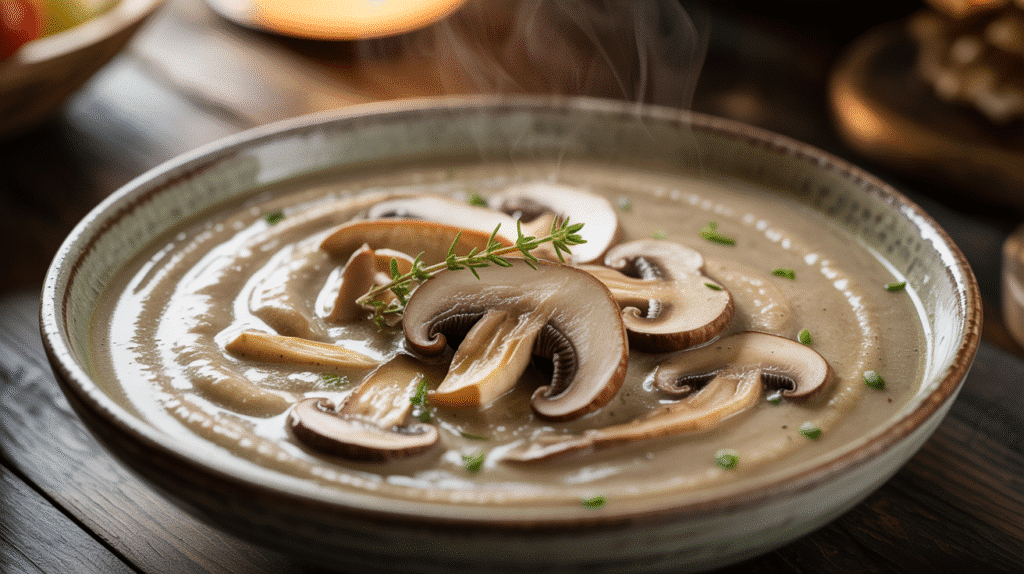
Presentation and pairings can elevate the dining experience. Consider these suggestions for serving your homemade mushroom soup.
Innovative plating and presentation ideas
- Garnish: Fresh herbs like parsley, chives, or thyme add a pop of color and freshness. A swirl of cream or a drizzle of truffle oil can also enhance the presentation.
- Croutons: Homemade croutons add a crunchy texture and visual appeal. Season them with herbs and garlic for extra flavor.
- Edible flowers: A few edible flowers can add a touch of elegance and sophistication.
- Bowls: Choose bowls that complement the color and texture of the soup. A rustic ceramic bowl can add a cozy touch, while a sleek modern bowl can create a more sophisticated look.
- Presentation: Serve the soup in individual bowls or in a large tureen for a family-style meal.
Suitable side dishes and pairings
- Crusty bread: A slice of crusty bread is perfect for dipping into the soup.
- Grilled cheese sandwich: A classic pairing that is both comforting and satisfying.
- Salad: A simple green salad with a vinaigrette dressing provides a refreshing contrast to the richness of the soup.
- Roasted vegetables: Roasted vegetables, such as asparagus or Brussels sprouts, complement the earthy flavors of the soup.
- Wine: A dry white wine, such as Chardonnay or Sauvignon Blanc, pairs well with mushroom soup.
Nutritional facts and health benefits
(Approximate values per serving, based on a recipe yielding 6 servings):
- Calories: 250-300
- Fat: 15-20g
- Saturated Fat: 10-12g
- Cholesterol: 50-60mg
- Sodium: 500-700mg (depending on broth used)
- Carbohydrates: 15-20g
- Fiber: 3-5g
- Protein: 5-7g
This soup is a good source of B vitamins, selenium, and antioxidants. It is also relatively low in calories and fat, especially if you use lighter alternatives for the cream and butter. The fiber content can be increased by adding lentils or beans.
Frequently Asked Questions
Q: Can I use dried mushrooms in this recipe?
A: Yes, you can use dried mushrooms. Rehydrate them in hot water for about 30 minutes before adding them to the soup. Be sure to strain the soaking liquid and add it to the soup for extra flavor.
Q: Can I freeze mushroom soup?
A: Yes, mushroom soup freezes well. Allow the soup to cool completely before transferring it to freezer-safe containers. Leave some headspace in the containers, as the soup will expand when frozen. Thaw overnight in the refrigerator before reheating.
Q: How long does mushroom soup last in the refrigerator?
A: Mushroom soup will last for 3-4 days in the refrigerator.
Q: Can I make this soup without cream?
A: Yes, you can omit the cream or substitute it with half-and-half, Greek yogurt, or coconut cream.
Q: What other vegetables can I add to this soup?
A: You can add other vegetables such as carrots, celery, or potatoes to this soup.
Q: Can I use chicken broth instead of vegetable broth?
A: Yes, you can use chicken broth if you prefer. However, vegetable broth will result in a more vegetarian-friendly soup.
Q: How can I make the soup thicker?
A: You can thicken the soup by adding a slurry of cornstarch and water (1 tablespoon cornstarch mixed with 2 tablespoons cold water) to the simmering soup. Stir until the soup thickens. Alternatively, you can blend a portion of the soup and return it to the pot.
Conclusion
This mushroom soup recipe offers a delightful blend of flavors and textures, creating a comforting and nourishing meal. From the earthy aroma of sautéed mushrooms to the creamy richness of the broth, every spoonful is a testament to the power of homemade cooking. We encourage you to try this recipe and experience the joy of creating your own savory masterpiece. Whether you’re looking for a cozy weeknight dinner or an elegant starter for a special occasion, this mushroom soup is sure to impress. So, gather your ingredients, follow the instructions, and embark on a culinary adventure that will warm your heart and soul. Enjoy!